Catawba County's 2027 Revaluation: What Hickory Homeowners and Buyers Should Understand Before the Notices Arrive
If you're looking at a Hickory home for sale this fall, the property tax figure on the listing is based on values Catawba County set as of January 1, 2023. That figure is about to change. On October 5, 2026, the county's Tax Administrator gave the Board of Commissioners the proposed Schedule of Values for a countywide revaluation that takes effect January 1, 2027. It covers about 95,000 parcels, and state law requires each one to be appraised at 100% of market value as of that date.
A revaluation often sounds like a tax increase. That isn't quite how it works here. Going by what Catawba County and the City of Hickory did after the last revaluation, your future bill will depend less on how much your home's value rises and more on how its change compares with everyone else's.
The county's October 5 agenda packet lays out the steps. Several are still proposed and depend on board action.
| Date | Step |
|---|---|
| October 5, 2026 | Proposed Schedule of Values submitted to the Board of Commissioners |
| November 2, 2026, 7 p.m. | Public hearing on the proposed schedule |
| November 16, 2026 | Commissioners consider adopting the schedule |
| February 2027 | Value notices mailed to owners; appeal period begins |
| April 6, 2027 | Board of Equalization and Review holds its first meeting to hear appeals |
The Schedule of Values is the county's appraisal manual. It sets how land and buildings are valued based on factors such as location, age, type of construction and zoning. You can review it in person at the Catawba County Tax Office, 25 Government Drive in Newton, weekdays from 8 a.m. to 5 p.m. It's also posted on the county website, and staff can answer questions at (828) 465-8200.
Each year, the North Carolina Department of Revenue compares assessed values with actual sale prices. Its most recent posted study, effective January 1, 2025, used sales from calendar year 2024. It found that Catawba County's median assessment came to 87.65% of the sale price.
Here's what that looks like in dollars. At the median ratio, a home that sold for $300,000 in 2024 carried an assessed value of about $262,950. That gap is why county records and a home's market price usually don't match. The revaluation is meant to close it all at once. Since the study was based on 2024 sales, it shows where the gap stood then, not what it is today.
The last revaluation took effect January 1, 2023. Countywide real-property value rose 69%, with residential values up 64% and commercial and industrial values up 75%. The county also noted that individual properties didn't all change at the same rate.
Tax rates fell sharply that year.
| FY2022-23 rate | Published revenue-neutral rate, FY2023-24 | Adopted rate, FY2023-24 | Current rate, FY2026-27 | |
|---|---|---|---|---|
| Catawba County | 57.5¢ per $100 | 39.95¢ | 39.85¢ | 39.85¢ |
| City of Hickory | 62.75¢ per $100 | 45.5¢ | 45.5¢ | 46¢ |
In 2023, County Manager Mary Furtado described the new county rate as a 30.7% reduction that put the county just below its revenue-neutral rate. Hickory's city manager recommended cutting the city rate to exactly its revenue-neutral level. He said the change reflected "the significant increase experienced in market-driven real estate values." In June 2026, the county adopted its FY2026-27 budget without raising the rate. Hickory's FY2026-27 budget kept the city rate at 46 cents.
State law requires a reference point. Under N.C.G.S. 159-11(e), the budget prepared after a general reappraisal has to include a revenue-neutral tax rate for comparison. That's the rate expected to bring in the same revenue the current rate would have produced without the reappraisal. The calculation is then raised by a growth factor for improvements to the tax base, such as new construction, and adjusted for events like annexation.
Revenue-neutral describes the whole tax base. It doesn't promise that any one bill stays the same. When the rate drops in proportion to the average value increase, owners whose homes rose faster than average pay more, and owners whose homes rose more slowly pay less.
The 2023 county figures show how this works. The calculations below are illustrations and leave out the city portion of the bill.
In 2023, commercial and industrial values rose faster than residential values, 75% compared with 64%. That pushed the countywide average above the residential average, which brought the revenue-neutral rate lower than residential growth alone would have. The mix matters in Hickory too. At a June 2026 City Council meeting, City Manager Warren Wood said the January 1, 2027 values would affect the rate the city "would need to reset" in its 2027-28 budget. He added that commercial and industrial permitting had been stronger than residential. No county or city source we reviewed has projected the 2027 increase or proposed a revenue-neutral rate yet. Those numbers will come with the 2027-28 budgets.
The new values are based on market conditions as of January 1, 2027, so recent sales are relevant. The latest monthly figures from Canopy MLS for August 2026 show different trends depending on the area.
One month and 90 sales make a small sample, and a single August doesn't establish a trend. Longer-term figures are steadier. The Canopy Realtor Association's September 29, 2026 report put the region's rolling 12-month median sales price up 2.8%. Supply stood at 4.3 months in August, and sellers received 94.9% of their original list price.
A stable 2026 market doesn't mean small value changes in 2027. The county is comparing January 2027 values with January 2023 values, and a 12% gap between assessments and sale prices already showed up in 2024 sales. Within Hickory, how much a particular home's value moves will depend on how much homes like it have sold for since 2023.
The revaluation adds a step for buyers comparing homes now. Today's tax figures use 2023 values. A 2026 sale price shows what the market will pay. The county's January 1, 2027 value will be a third number. If two Hickory listings show similar tax bills, the reason may be that both were valued in 2023, not that they'll still be similar after the reset.
A more useful comparison is the home's current assessed value against its asking price, set alongside the rates in the table above. Keep in mind that the revaluation doesn't set any rate. The county says commissioners set tax rates during the annual budget process.
Many older homeowners who are deciding whether to stay or sell want to know what their tax bill will look like in a few years. North Carolina has two programs tied to income. The county tax office can explain whether either applies to a particular household.
For tax year 2026, the Elderly or Disabled Exclusion has an income limit of $38,800. It excludes from taxation the greater of the first $25,000 or 50% of the appraised value of a permanent residence. The Circuit Breaker program caps the tax at 4% of income for incomes up to $38,800, and at 5% for incomes above that up to $58,200. Taxes above the cap are deferred and become a lien on the property. Applications use form AV-9, which must be filed by June 1 to be on time.
A 50% exclusion matters more as values rise, and a cap based on income doesn't change with the market. For a family deciding whether a parent should stay in the family home, these programs can affect the numbers. A tax professional or the county tax office can explain how they would apply to your situation.
When will I see my new value? The county's timeline shows reappraisal notices mailed in February 2027. That mailing also starts the appeal period.
When does the appeals board start hearing cases? The proposed timeline shows the Board of Equalization and Review's first meeting on April 6, 2027.
Can the public weigh in before values are set? The commissioners plan to hold a public hearing on the proposed Schedule of Values on November 2, 2026, at 7 p.m. in their meeting room, and to consider adoption on November 16.
Does a higher value automatically mean a higher bill? No. The tax rate is set separately, and after the 2023 revaluation, both the county and the city cut rates to about the revenue-neutral level. Whether a bill rises or falls depends on how your home's value changes compared with the average.
If you're weighing a move, a sale, or staying put while new values come in, Janée Krauth can go over your timeline with you. That can include the February notice, the appeal window and the budget decisions that follow. Schedule a consultation and we'll start with your questions.
This article is general information, not legal, tax or financial advice. Consult a qualified professional about your situation.
Stay up to date on the latest real estate trends.
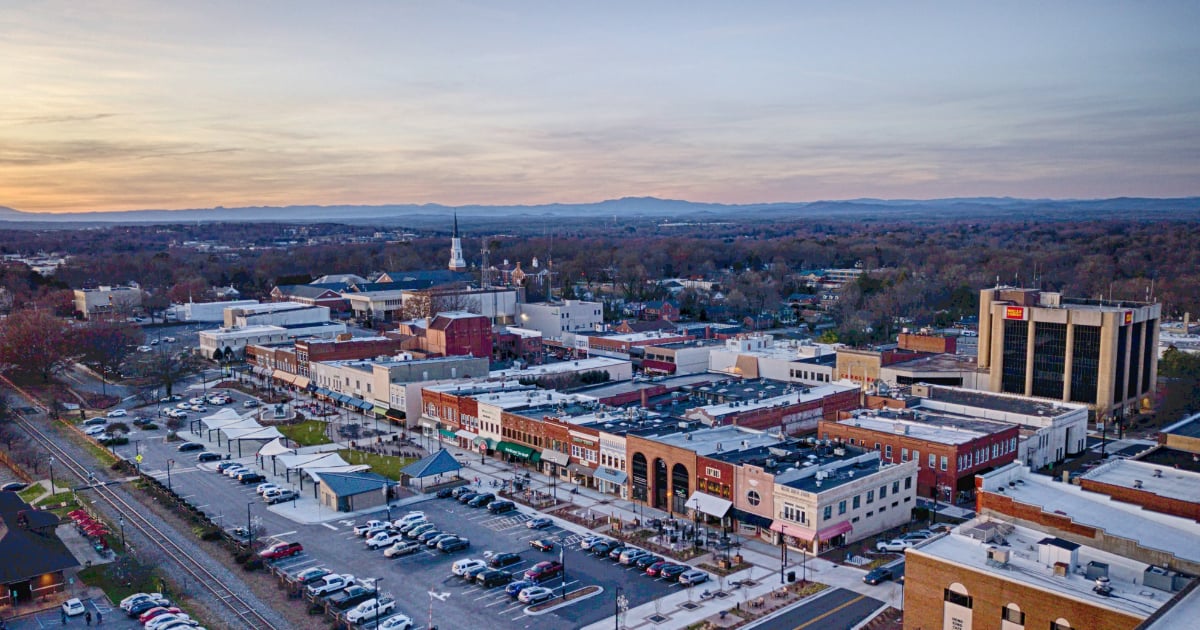
Hickory Lifestyle
If you're considering a move to Hickory, North Carolina, you may be wondering what it is really like to live here, not just what you can find on a map or in a list of … Read more
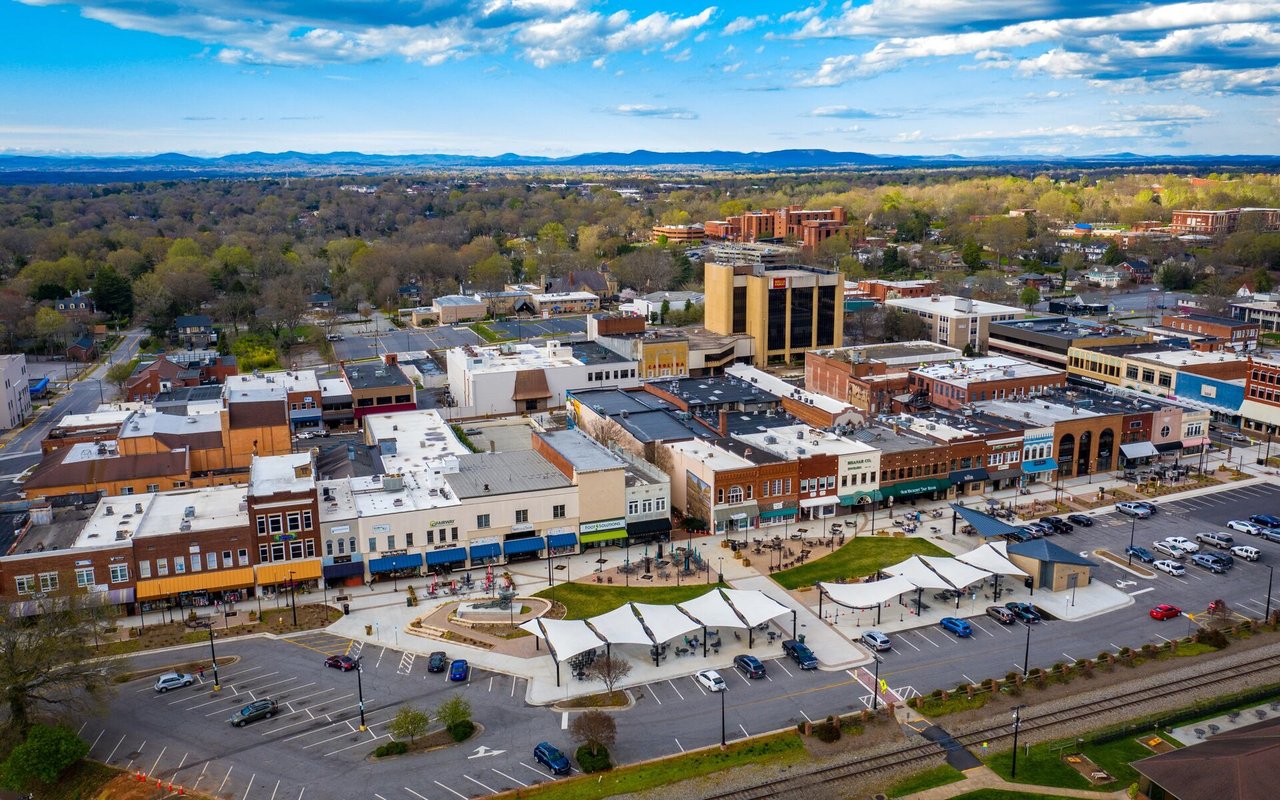
A practical look at lifestyle, neighborhoods, relocation, and what everyday life in Hickory really feels like.

These are 11 cool local places that make me love calling this community home.
If you think you may want to downsize someday, when should you call a Realtor?
Staying is still a real estate decision. It deserves to be evaluated from time to time.
Whether you're ready to make a move or simply beginning to wonder what comes next, you don't need to have all the answers before reaching out. Janée starts by listening—understanding your goals, your concerns, and what you want life to look like—and then helps you determine the right path forward. Sometimes that means buying or selling today. Sometimes it means creating a plan for six months or two years from now. Either way, the first step is simply a conversation.

M: (828) 270-9673
[email protected]
MON-SAT 8 AM-8 PM
SUN 11 AM-8 PM
785 US HWY 70 SW
HICKORY, NC 28602
Realty Executives of Hickory & Lake Norman